
Bird flu outbreak in central Limburg
In our region, bird flu has recently been identified in a number of locations. Its effects are also affecting our municipality. What this means, you can read on this page.
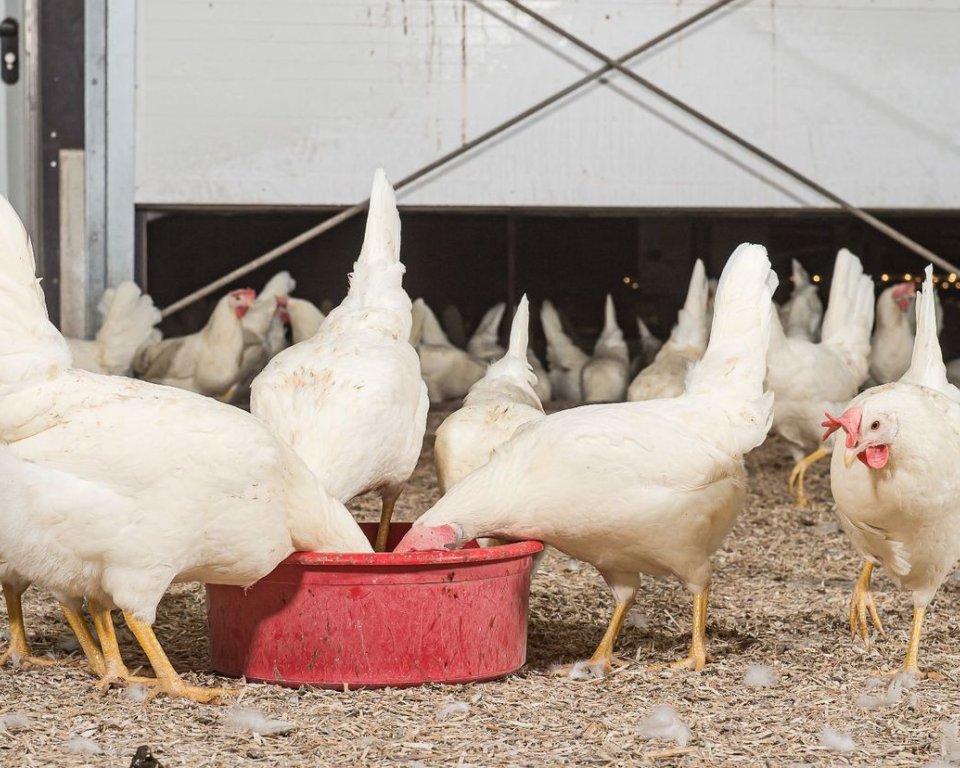
Photo: Chickens for illustration | ANP
Avian flu updates
Currently working on: Wednesday , December 3, 8:30 a.m.
Avian influenza has been detected at a breeding center for flamingos and cranes in Weert. To prevent the spread of the virus, dozens of flamingos and cranes are being culled in the enclosures where animals have tested positive for avian influenza. Animals susceptible to avian influenza in the other enclosures are being closely monitored by the NVWA.
There are three other poultry farms within the 1-kilometer zone. There are eight other poultry farms within the 3-kilometer zone. These farms are being screened for the presence of the avian influenza virus and are being monitored intensively for 14 days. There are 95 poultry farms within the 10-kilometer zone.
In total, there are more birds present that are susceptible to avian influenza. Under European regulations, it is possible to deviate from the obligation to cull all animals at an infected location in the case of animals with high cultural or educational value. Culling all birds present is not proportionate in this case. Therefore, careful consideration is given to which animals are and are not culled. Birds that are not culled are kept separate and retested at a later date. All birds present must also be shielded from the public for a period of three weeks.
Completed: Wednesday , November 26, 8:30 a.m.
The Netherlands Food and Consumer Product Safety Authority (NVWA) reported on Wednesday, Nov. 26, that bird flu has been detected at poultry farms in Helden and Tienray.
Completed: Saturday, Nov. 22, 9:30 p.m.
In Molenbeersel, just across the border in Belgian Limburg, bird flu has been detected at a rearing poultry farm. Belgium has established a protection and surveillance zone that is partly in Leudal.
Completed: Thursday, Oct. 16
Cases of bird flu have been detected in the Netherlands since October. Because of these outbreaks, a nationwide compulsory coop has been in effect since Oct. 16. Companies and (chicken) transporters must also adhere to various hygiene rules to prevent further spread.
Transport ban effective immediately
Because of the outbreak at the farm in Belgium, close to the Dutch border, part of the protection, and surveillance zones of 3 and 10 kilometers fall in the Netherlands. In the 3 kilometer zone are five poultry farms, which are being screened by the NVWA. In the 10 kilometer zone are 46 poultry farms, including a poultry slaughterhouse.
Within the 3 and 10-kilometer area, a ban on transport applies immediately. This means that no birds, hatching and/or table eggs may be transported from locations with birds in this zone. There is also a ban on the disposal of bird manure and used litter, as well as other animals and animal products from farms with birds. These measures are necessary to prevent spread to other parts of the country.
Do the location check yourself
Use the link below to see exactly where the restriction zone is (enter your zip code):
Animal Disease Viewer from the Netherlands Enterprise Agency (RVO).
Click here for all measures in the protection zone (radius 3 km)
Click here for all measures in the surveillance zone (10 km radius)
RIVM
The website of the National Institute of Public Health and the Environment (RIVM) has more information such as answers to frequently asked questions about bird flu: