
Research into bats in the neighbourhood
In the spring of 2026, the municipality of Leudal will start a large-scale study of bats in all its towns. Bats often live in cavity walls and under roof tiles. This means they can be directly affected by insulation or renovation work. By conducting the study centrally, residents will no longer need to request this study themselves in the long term. This saves time and money and helps the municipality to become more sustainable more quickly.
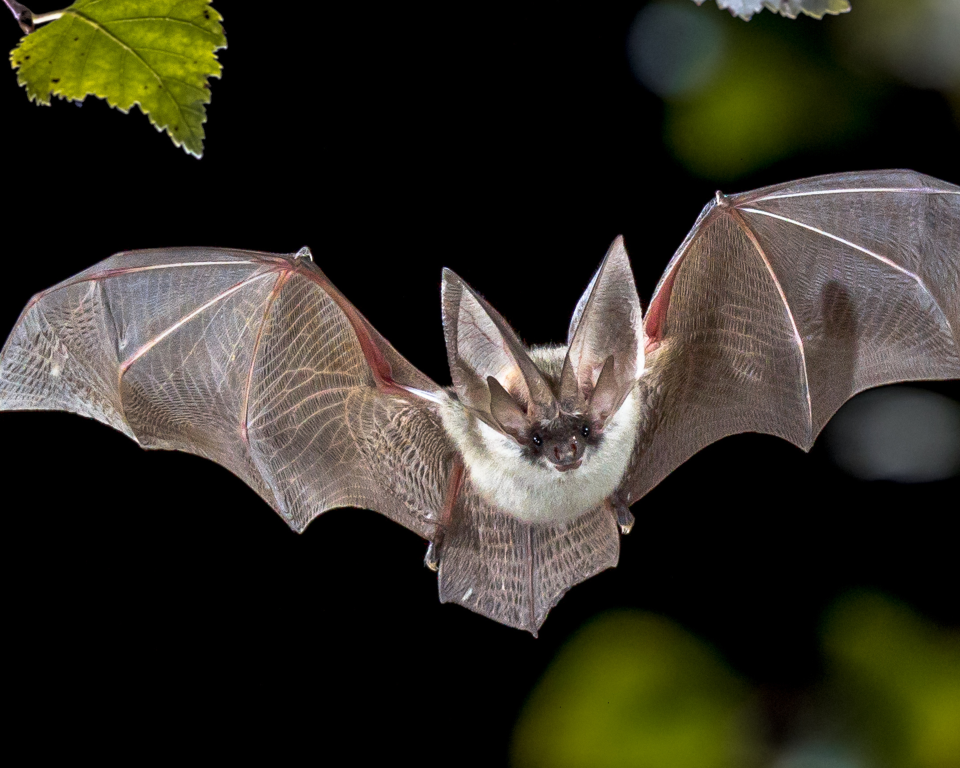
Bats play an important role in the ecosystem. They eat large numbers of mosquitoes and other insects, thereby maintaining balance in nature. However, their habitats are vulnerable. A municipality-wide study is giving Leudal a clear picture of where bats live, so that they can be protected during renovation and insulation work.
Alderman Michel Graef:
With this research, we are investing in nature and in our residents. We are protecting vulnerable animals, preventing unnecessary costs, and ensuring that sustainability can be achieved more quickly. In this way, we are preparing Leudal for the future in a way that suits our community.
Lower costs for residents
Normally, residents have to commission their own research when they renovate. This is costly and takes at least a year. By conducting the research for the entire municipality at the same time, this will no longer be necessary for each individual home. That saves time, money, and uncertainty.
Unique and innovative
The study is unique because of its scope: such a large-scale bat study has never been conducted before. Several municipalities in Central Limburg are participating, enabling regional efforts to be made toward nature conservation and sustainability. Innovative technology is also being used. Sensor boxes measure the high-pitched sounds made by bats. Special software shows where they fly, hunt, and nest.
Implementation by NSM
The research is being conducted by Nationale Soorten Management (NSM) in Wageningen. NSM combines ecological knowledge with modern sensor technology to ensure that nature and sustainability go hand in hand.
How does the research work?
The study consists of three phases:
- Phase 1 – Listening: In 2026, the sensor boxes will be mounted on lampposts for one week during three periods (May, July, and September). These devices primarily record bat sounds at night.
- Phase 2 – determination: Field workers then determine the exact nest locations (June).
- Phase 3 – continue monitoring: NSM keeps track of whether nests are added or moved.
What do residents notice?
Residents will hardly notice the research. Installing the boxes takes only a few minutes and makes no noise. Field workers will be present in the neighborhood in the evenings and at night. The municipality will share the schedule in advance so that residents know when field workers will be present. If someone needs to be in their garden, this will always be discussed in advance.
More information
The study will run for several years. Leudal will start with bats and later expand to other species that live under roofs. The municipality will keep residents informed of progress through municipal channels.
Research on the house sparrow
In addition to the studies on bats in our municipality, research will be conducted on house sparrows in March 2026. The study will focus on the nesting locations of house sparrows in our municipality. The research on house sparrows is part of a larger study on building-related protected species. The study will result in a species management plan that will ensure the best possible protection for these species.