
Think ahead: Stay safe for 72 hours
In the Netherlands, we almost always have power, water and internet. But in an emergency, such as a major power outage or flood, this can suddenly be lost.

Therefore, emergency services focus on life-threatening situations first. Help may therefore take a while to arrive. That is why it is smart to be well prepared. This requires action from everyone: from the government, the safety region, but also from you and those around you. This way, you not only help yourself, but also your neighbors, family and others who need help the most.
Prepared in 3 steps
Currently in progress: Step 1: Put together an emergency kit (for 72 hours)
Health that you have supplies for at least three days. You probably already have most items
. Check out the handy checklist at the bottom of this page.Depending on your situation, you may also need medicine, baby or pet food, diapers or other specific items. See what you already have in your home and complete your emergency kit step by step.
Completed: Step 2: Create an emergency plan
Discuss with roommates what you will do in the event of a power outage or other emergency. Discuss and arrange the following:
- Health that lighting is readily available: Place flashlights, candles and lighters/lights in logical places.
- Where are the items from the emergency kit?
- How do you open gates or shutters without power?
- Where do you meet if calling is not possible?
- Who picks up the children or takes care of the animals?
- What arrangements do you make about needy neighbors or relatives?
- What do you do when no one is home?
Currently working on: Step 3: Talk about it
Tell neighbors, friends and family that you are prepared and why this is important. Being prepared is as essential as having smoke detectors or a first aid kit. Help each other whenever possible or necessary.
TIPS
- Listen to the disaster station. On this station you will receive information and instructions from the government. The disaster station broadcasts during emergencies on 100.3 FM (Roermond). Or watch regional TV (L1). In a national disaster this is Nederland 1 or Radio 1.
- Check every six months to make sure your emergency kit is still complete and tenable, and keep it in a fixed, convenient place
Emergency kit checklist
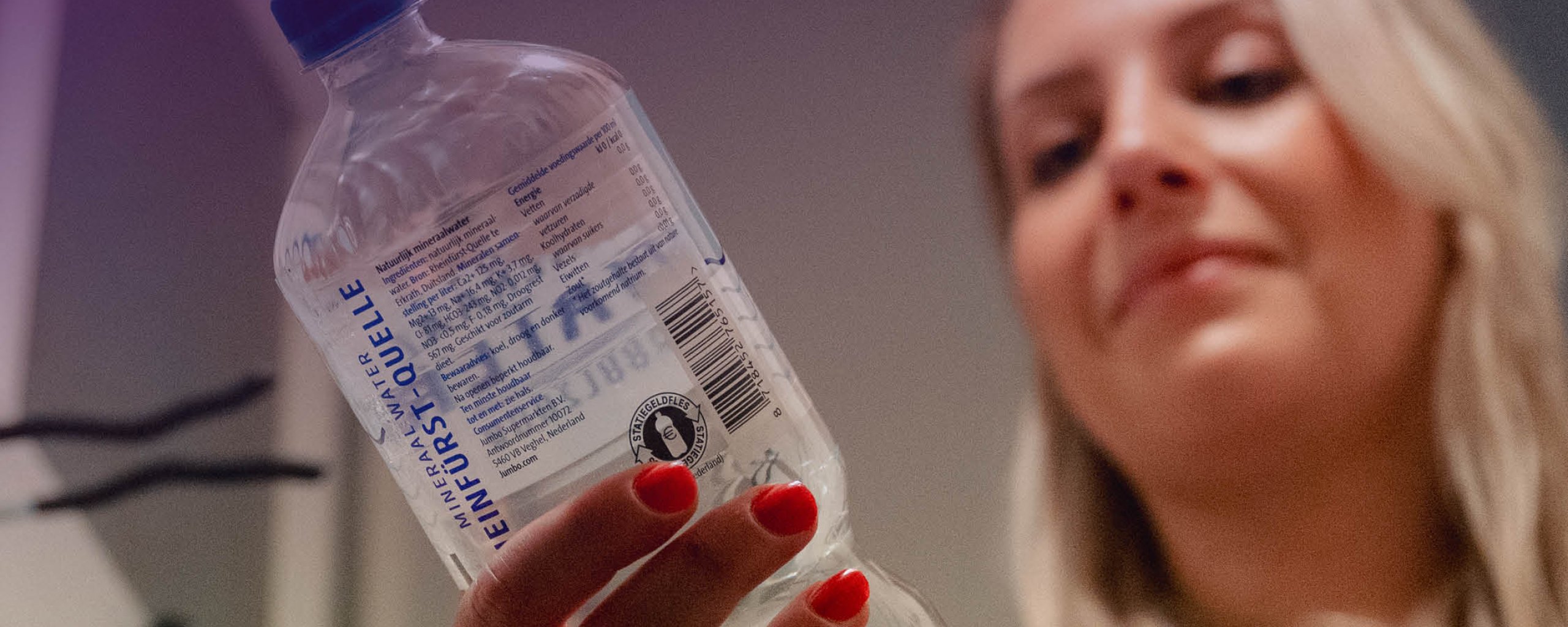
- Water: 3 liters per person per day
- Long-lasting foods: such as nuts, canned vegetables and dried fruits
- Communication devices: battery-powered radio, charged mobile phone and power bank
- Lighting: flashlight, extra batteries, candles, matches
- First aid kit
- Warm blankets
- Whistle for distress signal
- Cash: 70 euros per adult, 30 euros per child
- Tools: hammer, saw, cutters
- Hygiene products: such as toilet paper, disinfectant gel, sanitary napkins, toothpaste and toothbrush
- Important documents: copies of IDs and important phone numbers
- Spare keys
- Backpack or large bag: to carry things with you if you need to leave your home