
12 stoking tips for wood stoves, fireplaces and fire pits
Burning wood? Keep it pleasant for everyone! Read more about burning wood and minimizing the nuisance caused by it.
If you’re planning to burn wood, check out the Stookwijzer first at . That way, you’ll know when it’s better to keep the fire out. The Stookwijzer provides immediate advice.
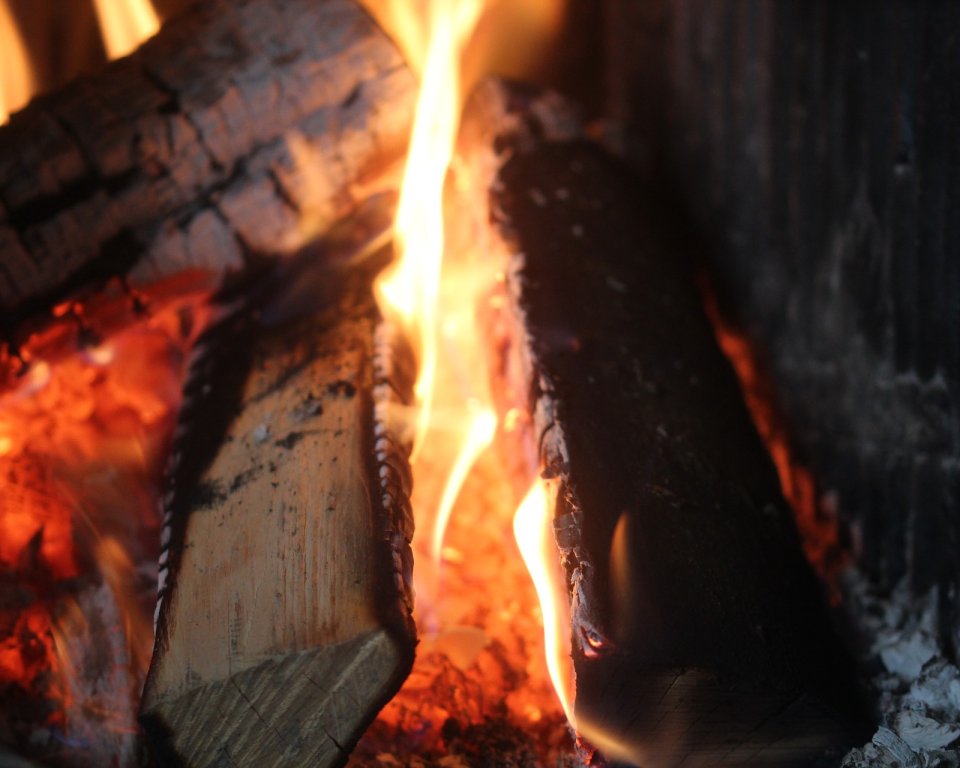
In this way, let us all make sure that we prevent heating nuisances to our neighbors as much as possible.
More information
More information about building fires outdoors (for example, for an Easter bonfire, a bonfire, or when burning wood or yard waste) can be found on the “Building Fires” page. There are various rules governing this, and it is only permitted during certain periods.
In the summer period, this is not allowed anyway. During times of prolonged drought, it is important to be careful with open fires and to be extra vigilant about preventing fires in nature.
Fuel Alert
Under unfavorable weather conditions, smoke lingers longer; when air quality is poor due to particulate matter, wood smoke contributes to a further deterioration of air quality. Because this can lead to health problems, the fire alert system was developed. When a fire alert is issued, the RIVM advises people not to burn wood that day. This can help prevent health problems among people in the surrounding area. On the page below, you will find more information and the latest updates regarding the fire alert.
View the current heating alert
You can even sign up for the heating alert on that page. If the weather forecast is unfavorable or if the RIVM has issued a smog warning or alert, the RIVM will issue a heating alert. You will then receive a notification via email.
Heating Guide
The Stookwijzer provides advice on when people should avoid burning wood. This depends on wind speed and air quality. In this way, the Stookwijzer can help minimize the nuisance caused by wood smoke to the surrounding area. At the following link— Map —you can see the current local burning advice for the municipality of Leudal.